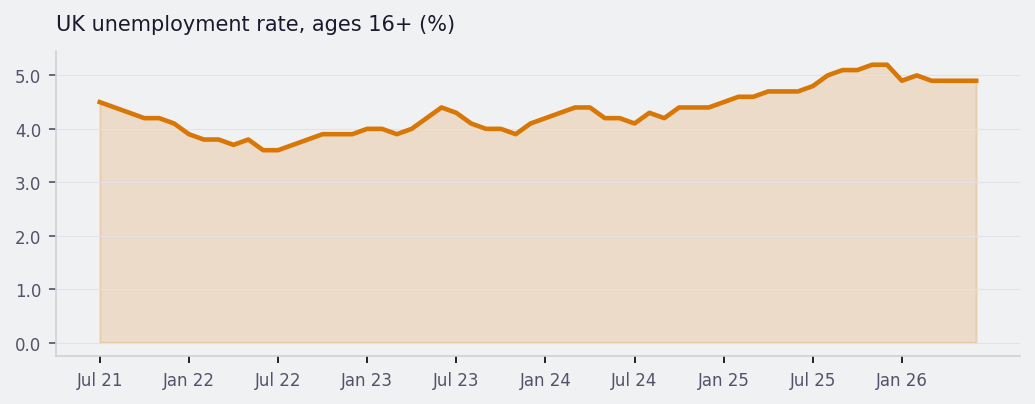
The UK’s unemployment rate, currently standing at 4.9% for those aged 16 and above, reveals a complex landscape of opportunity and challenge, especially when examined through the lens of the nation’s education system. This statistic indicates a relatively stable job market, suggesting that a significant portion of the population is gaining access to employment. However, it also obscures underlying disparities that resonate deeply within the educational domain, particularly in the context of state schools. The rise of artificial intelligence and digital technologies has further exacerbated these inequalities, creating a stark divide between students who have access to cutting-edge resources and those who do not.
In recent years, the integration of AI tools in the classroom has been heralded as a transformative force in education. However, such advancements are not uniformly distributed across all schools. Wealthier institutions are often better equipped to incorporate these technologies into their curriculum, leading to a burgeoning divide that mirrors socio-economic disparities. Students in state schools, frequently hampered by budget constraints, may find themselves lacking access to these vital resources. As AI continues to evolve and shape industries, the skills developed through exposure to such technology during formative years will likely determine future employability, leaving students from underfunded schools at a disadvantage in the job market.
The implications of this educational divide extend far beyond individual students; they impact the workforce as a whole. With the current unemployment rate suggesting a healthy job market, one must consider the quality and relevance of the jobs available. If a significant portion of the youth population is inadequately prepared for the demands of a rapidly changing economy, the long-term effects could be detrimental not only to those individuals but also to the broader UK economy. The divide in educational opportunity risks perpetuating a cycle of poverty and unemployment, particularly among those who are already disadvantaged. In this context, the statistic of unemployment becomes a chilling reminder of the potential human cost of educational inequality.
As we navigate this complex landscape, the conversation must shift towards strategies for equity in education. Policymakers, educators, and communities need to come together to address the disparities created by the AI state school divide. Investment in technology and training for state schools is crucial, as is fostering partnerships between private sectors and educational institutions to ensure that all students have the opportunity to thrive. The future of the UK workforce hinges on our ability to bridge this gap, ensuring that students, regardless of their background, are equipped with the necessary skills to compete in an increasingly automated world. Only then can we hope to see a more inclusive employment landscape that reflects the potential of every young person in the nation.