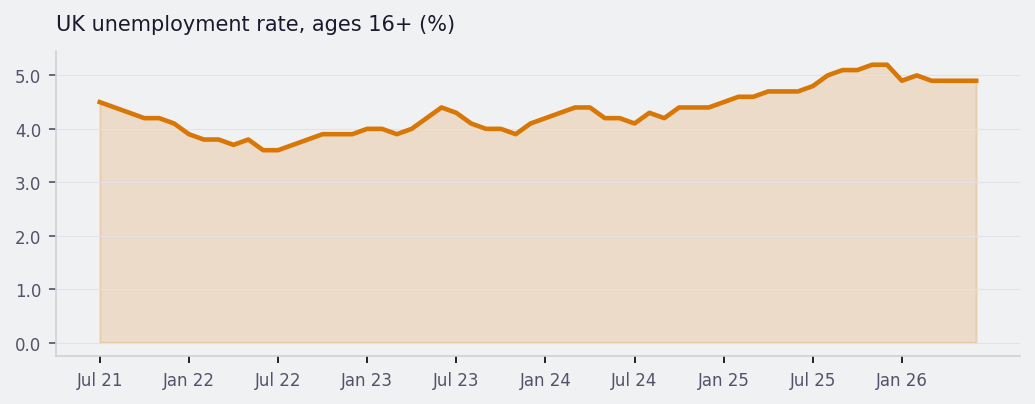
The UK’s unemployment rate for those aged 16 and over stands at 4.9% as of June 2026, a figure that highlights the ongoing challenges within the labour market. While this statistic may suggest a relatively stable economic environment, it is crucial to unpack the broader social implications of unemployment, particularly when considering the experiences of children living in temporary accommodation. The intersection of joblessness and housing instability creates a precarious situation for families, often leading to adverse effects on childhood development and wellbeing.
Temporary accommodation serves as a stark reminder of the housing crisis affecting the UK, particularly in urban areas where demand far outstrips supply. Families often find themselves in a cycle of uncertainty, where the lack of stable housing exacerbates the difficulties of unemployment. Children in these situations face not only the immediate challenges of adapting to transient living conditions but also the longer-term impacts on their educational opportunities and social relationships. The link between parental employment and children's outcomes is well established; when parents struggle to find stable work, the ripple effects can hinder children's academic performance and emotional health, leading to a generation at risk of perpetuating the cycle of poverty.
Furthermore, as the unemployment rate hovers just below 5%, it masks significant disparities across different regions and demographics. Young people, particularly those from disadvantaged backgrounds, are disproportionately affected by joblessness, which can compound the challenges faced by families living in temporary accommodation. The stigma associated with unemployment often leads to social isolation, where families may withdraw from community engagement, further entrenching their difficulties. Children growing up in such environments may find themselves grappling with feelings of inadequacy and helplessness, as they navigate both their educational settings and social interactions while dealing with the instability of their home life.
As society grapples with these pressing issues, it becomes increasingly clear that addressing childhoods spent in temporary accommodation requires a multifaceted approach. Policy interventions must not only focus on reducing unemployment rates but also on ensuring that families have access to affordable and stable housing. This involves rethinking our approach to welfare, education, and community support systems, creating an integrated framework that seeks to break the cycle of disadvantage. By prioritising the needs of families facing unemployment and housing instability, we can foster an environment where children have the opportunity to thrive, regardless of their circumstances. The statistic of 4.9% unemployment, while indicative of a recovering economy, must serve as a clarion call to address the social challenges that lie beneath the surface, ensuring that no child is left behind in the pursuit of a brighter future.