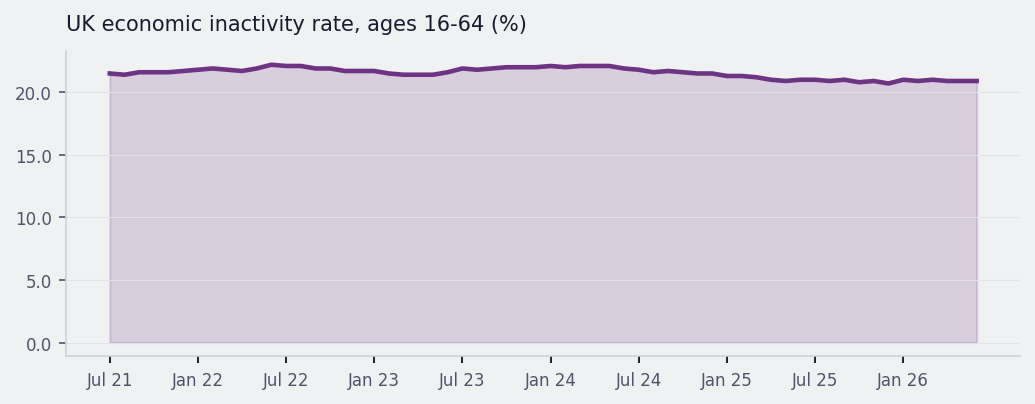
The recent announcement that the UK government is moving towards digital-only services has sparked significant debate, particularly as the economic inactivity rate for individuals aged 16 to 64 hovers at a concerning 20.9%. This statistic, released by the Office for National Statistics, reveals that one in five working-age adults is not participating in the labour market. With the government’s increasing reliance on digital platforms for essential services, there are profound implications for segments of the population that may lack the necessary access or skills to engage effectively with these technologies.
This digital shift is not merely an administrative change; it reflects a wider societal trend towards technology-driven solutions that promise efficiency and cost-saving. However, the move raises critical questions about inclusivity and equality. Vulnerable groups, including the elderly, those with disabilities, and individuals from lower socioeconomic backgrounds, often face barriers to digital access. The 20.9% inactivity rate suggests that a substantial number of individuals may struggle with online-only services, leading to potential disenfranchisement. The government must consider whether its ambitious digital agenda serves as a bridge to opportunity or a barrier that exacerbates existing inequalities.
Evidence from previous digital transitions in other sectors indicates that a significant portion of the population remains digitally excluded. Reports show that nearly 10 million adults in the UK lack basic digital skills, indicating that the transition to digital services may inadvertently alienate those who are already on the fringes of society. As government services increasingly migrate online, the risk of a two-tier system becomes more pronounced. Those who cannot navigate these digital landscapes may find themselves cut off from vital resources, such as healthcare, benefits, and education, which are increasingly being delivered through apps and websites rather than face-to-face interactions.
The outlook for the future hinges on how policymakers respond to this challenge. While the digital transformation of government services can undoubtedly lead to greater efficiency and innovation, it must be balanced with a commitment to inclusivity. Initiatives aimed at bridging the digital divide—such as community training programmes, enhanced access to technology for underprivileged groups, and hybrid service models—could help ensure that the benefits of digitalisation are equitably distributed. As the government forges ahead with its digital agenda, it must remain vigilant in addressing the needs of those who may otherwise be left behind, ensuring that the promise of a digital future is accessible to all, not just the digitally savvy.