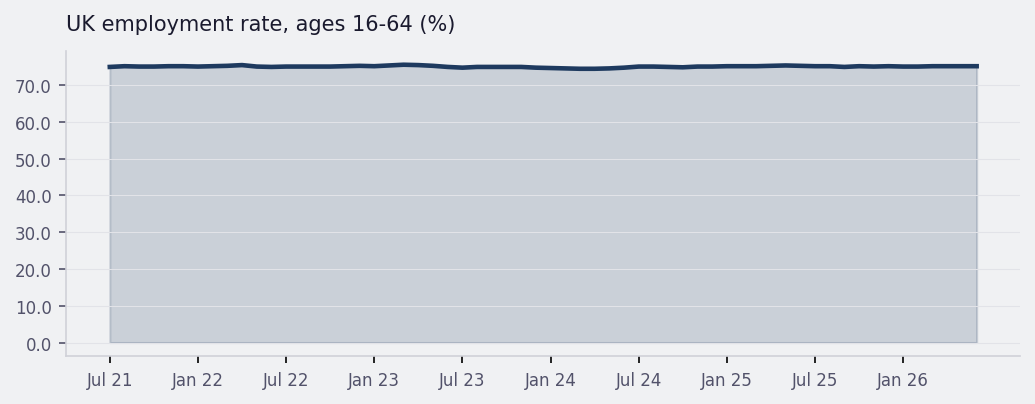
As of June 2026, the UK employment rate for individuals aged 16 to 64 stands at 75.1%, signalling a robust labour market that has rebounded from the disruptions of recent years. This figure, while encouraging, masks underlying vulnerabilities within the employment landscape, particularly concerning the gig economy. The rise of flexible work opportunities has transformed the way many people engage with employment, yet it has also created a significant pension void for gig workers who often lack access to adequate retirement savings options. This intersection of high employment rates and precarious work raises pressing questions about the financial security of a growing segment of the workforce.
The gig economy has attracted millions, offering flexibility and independence that traditional employment models may not provide. However, this flexibility often comes at a cost, with many gig workers classified as self-employed and therefore excluded from employer-sponsored pension schemes. Statistics reveal that a substantial number of gig workers are not saving for retirement at all, leaving them vulnerable to financial instability as they age. The implications of this trend are dire; without sufficient retirement savings, individuals may face stark choices in later life, potentially leading to increased reliance on state support, which could further strain public resources.
The absence of a solid pension framework for gig workers reflects a broader systemic issue within the UK’s labour market. The current pension system, designed around traditional employment structures, is ill-equipped to accommodate the rapid evolution of work patterns. As more individuals turn to gig work—whether as a primary source of income or a supplementary one—the need for innovative pension solutions becomes critical. Policymakers are increasingly recognising the urgency of addressing this pension void, yet efforts to reform the system often lag behind the pace of change in the labour market. This disconnect raises concerns about the long-term sustainability of the current workforce and the potential widening of economic inequalities among different worker demographics.
Looking forward, the challenge lies in bridging the gap between employment growth and the financial security of gig workers. Solutions may involve creating portable pension schemes that allow individuals to accumulate retirement savings irrespective of their employment status. Additionally, enhancing awareness around pension options and incentivising savings within the gig economy could empower workers to take control of their financial futures. As the employment landscape continues to evolve, fostering a more inclusive and comprehensive pension framework will be vital, not just for the well-being of gig workers, but for the overall health of the UK economy. The interplay between employment rates and the pension void will ultimately shape the financial resilience of future generations, underpinning the necessity of a responsive approach to an increasingly diverse workforce.