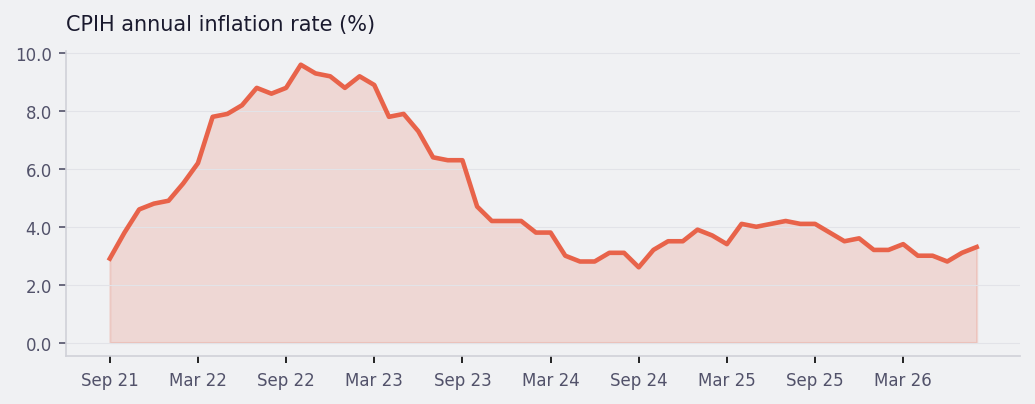
In the contemporary landscape of British healthcare, the phenomenon of NHS dentistry deserts has emerged as a pressing concern, intersecting significantly with economic factors like the recent CPIH annual inflation rate of 3.3 per cent recorded in August 2026. This statistic may seem distant from the realm of oral health, yet it encapsulates a broader narrative of financial strain that affects both the provision and accessibility of dental services across the UK. With inflation gripping household budgets, many families are finding it increasingly difficult to afford private dental care, leading to a surge in demand for NHS services that are already stretched thin. The growing disparity in dental care access thus mirrors the socio-economic hardships exacerbated by inflation, highlighting a crisis that transcends mere numbers.
Amidst this backdrop, the implications for communities living in NHS dentistry deserts are profound. These areas, often characterised by a lack of available dental practices accepting NHS patients, face a dual challenge: the diminishing number of practitioners willing or able to operate under NHS constraints and the escalating costs of living that divert funds away from healthcare. The result is an alarming trend where routine dental check-ups become a luxury rather than a norm, leading to untreated dental issues that can escalate into more severe health problems. The correlation between economic hardship and deteriorating dental health is particularly pronounced among low-income families, who are disproportionately affected by both the scarcity of NHS dentists and the rising costs associated with private treatment options.
Moreover, the impact of these dental deserts extends beyond individual health outcomes to societal well-being. Poor oral health is linked to a myriad of other health issues, including cardiovascular diseases and diabetes, which in turn place additional burdens on the NHS. The financial implications are staggering; as preventable conditions arise from neglected dental care, the costs associated with emergency treatments and hospital admissions skyrocket. This not only strains an already beleaguered healthcare system but also perpetuates a cycle of health inequality, wherein those in economically disadvantaged areas bear the brunt of both financial and health-related repercussions. In this way, the inflation rate acts as a magnifying glass, exposing the vulnerabilities within the provision of dental care and underscoring the urgent need for systemic reform.
The future of NHS dentistry in the UK hinges on a multi-faceted approach that addresses these intertwined challenges. Policymakers must grapple with the implications of inflation on healthcare access, recognising that economic pressures can lead to an erosion of public health standards. Investment in NHS dental services, alongside efforts to incentivise practitioners to serve in underserved areas, is essential in reversing the trend of dental deserts. Equally, public health campaigns aimed at educating communities about preventive dental care could mitigate some of the long-term impacts of neglect. As the nation navigates the complexities of an inflationary economy, the health of its citizens—particularly in the realm of dental care—must remain a priority, ensuring that every individual has the opportunity to maintain their oral health without succumbing to financial disadvantage.