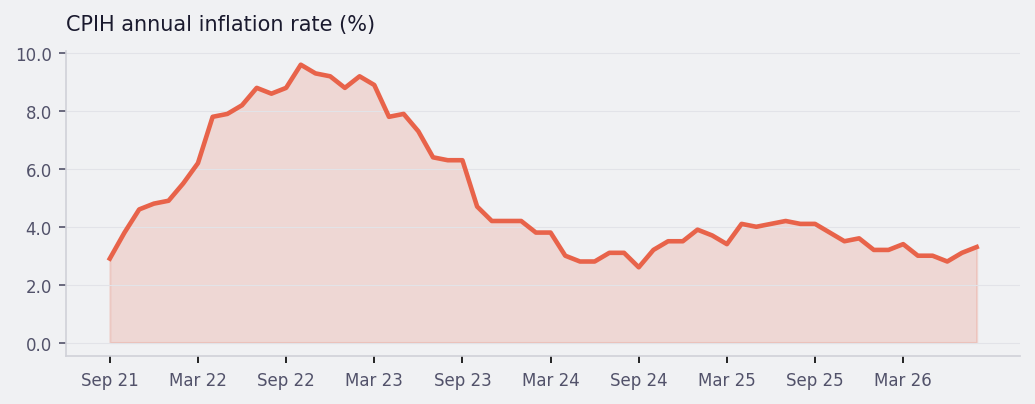
As we navigate the complexities of modern UK life, the economic landscape presents challenges that ripple through various sectors, not least of which is education. The latest Consumer Prices Index including owner occupiers’ housing costs (CPIH) reflecting an annual inflation rate of 3.3% in August 2026 is a stark reminder of the tightening financial environment. This statistic is particularly salient when considering the funding for Special Educational Needs and Disabilities (SEND) in schools, which has been under increasing strain. The cost of living crisis has not only inflamed inflation rates but has also placed exceptional pressures on local authorities and educational institutions tasked with providing adequate support for children with special educational needs.
Over the past few years, funding for SEND provisions has been a contentious issue, with many local councils reporting that they are unable to meet the rising demand for services. The inflation rate of 3.3% suggests a continued increase in operational costs, from staffing to resources, while budgets remain static or even decrease. This financial squeeze means that schools are forced to make difficult decisions about how to allocate their limited resources. The reality is that as costs rise, the quality of education and support that children with SEND receive may suffer. Families are left in a precarious position, often having to advocate fiercely for their children's needs amidst a backdrop of growing competition for diminishing funds.
The implications of this funding squeeze are profound and multifaceted. A generation of children with SEND risks being left behind as schools grapple with the challenge of fulfilling their legal obligations while facing financial constraints. The potential for social inequality to deepen is significant; children from lower socio-economic backgrounds may be disproportionately affected by inadequate support systems, leading to long-term consequences that extend beyond education into broader societal issues such as unemployment and mental health struggles. The very fabric of inclusivity in education is at stake, as the disparity between available resources and required support widens.
Looking forward, the SEND funding crisis is emblematic of larger systemic issues within the UK, where the intersection of policy, economics, and social equity must be addressed. As inflation continues to exert pressure on public spending, stakeholders—ranging from government officials to educators and parents—will need to collaborate innovatively to find solutions. This could involve re-evaluating budget priorities, advocating for increased funding, and fostering partnerships with community organisations to bolster support for SEND. The future of education for children with special needs depends on our collective commitment to ensuring that every child, regardless of their circumstances, has the opportunity to thrive and reach their full potential.