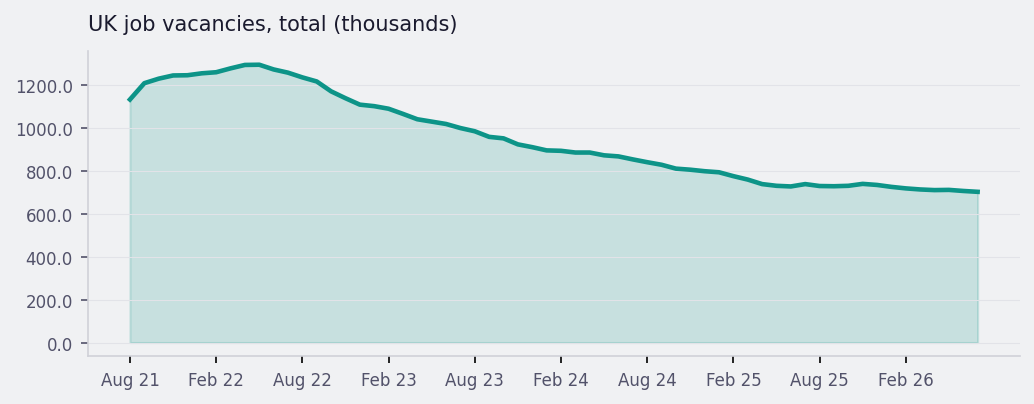
The staggering figure of 702,000 job vacancies in the UK as of July 2026 paints a vivid picture of a nation grappling with a profound workforce crisis, particularly in the social care sector. This statistic is not just a number; it encapsulates a deep-seated challenge that has ramifications for the fabric of British society. Social care is a fundamental pillar upon which many vulnerable individuals depend, from the elderly needing assistance with daily activities to individuals with disabilities requiring specialized support. The gap in the workforce threatens not only the quality of care delivered but also the broader societal structures that rely on a well-functioning, adequately staffed care system.
The implications of this labour shortage are multifaceted. With an ageing population and increasing demand for care services, the lack of available workers places immense pressure on existing staff, leading to burnout and high turnover rates. This cycle creates a perfect storm: as workers leave due to stress and overwhelming workloads, the vacancies only increase, exacerbating the crisis. Moreover, the reliance on agency staff, who may not have the same level of commitment or familiarity with individual care needs, further compromises the quality of care. Families and communities are left in a precarious position, often struggling to find reliable and compassionate support for their loved ones, which can lead to increased anxiety and a diminished sense of security.
Historically, the social care sector has been undervalued, often seen as a low-skilled profession despite the immense emotional and physical demands it entails. The pandemic brought to light the essential role that social care workers play in society, yet the recent statistics indicate that recognition has not translated into meaningful change. Wages remain low, conditions are frequently challenging, and the perception of social care careers does not reflect the dedication required. As the gap widens, the UK risks not just a shortage of workers but also a societal shift where care becomes synonymous with struggle rather than compassion and support. This dissonance could reshape public perceptions of what care work entails and who is willing to undertake it.
The landscape ahead appears daunting yet offers room for potential transformation. Addressing the workforce gap in social care will require a concerted effort from government, industry stakeholders, and society at large. Initiatives to improve training, bolster wages, and enhance working conditions must be prioritised to attract new talent to the sector. Additionally, fostering a culture that respects and values care work can shift societal attitudes, encouraging more individuals to view it as a viable and noble career path. The current statistic is a clarion call to action; it challenges us to rethink how we support and sustain the very individuals who care for our most vulnerable. Only through concerted efforts can we hope to bridge this gap and ensure that social care remains a cornerstone of a compassionate British society.