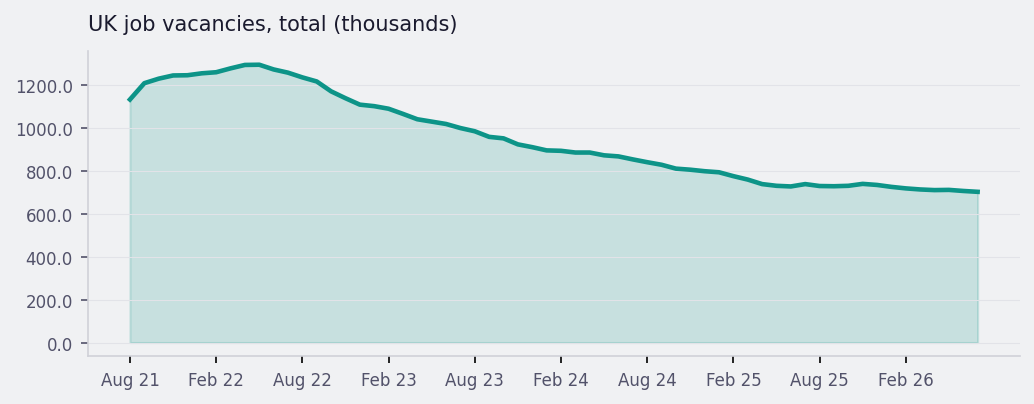
The current statistic of 702,000 job vacancies across the UK, as recorded in July 2026, serves as a stark reminder of the challenges facing various sectors, particularly education. This figure is not merely a reflection of the job market but rather a symptom of deeper systemic issues, especially in teacher retention. With schools struggling to maintain staffing levels, the implications of this statistic resonate throughout society, affecting not only the quality of education but also the future workforce. As we delve into this pressing issue, it becomes clear that the teacher retention cliff is not just a concern for educators but a broader societal challenge that demands attention.
The backdrop to this alarming statistic is a confluence of factors, including increasing workloads, diminished job satisfaction, and inadequate support systems. Teachers are often leaving the profession in droves, lured away by more attractive opportunities in different sectors or simply opting for early retirement. The effects of this trend are far-reaching; classrooms are becoming overcrowded, and remaining staff are left to shoulder the burden of additional responsibilities, leading to burnout. Furthermore, the pressure to deliver results within a constrained framework leaves little room for creativity or innovation in teaching methods, which can detrimentally affect student engagement and learning outcomes.
Examining the long-term implications, the dwindling number of teachers poses a significant risk to the quality of education in the UK. As the teaching workforce shrinks, the very foundation of educational attainment is jeopardised. This decline in quality not only shapes the immediate learning environment but also casts a long shadow over the future workforce. A generation of students deprived of adequate educational support may struggle to meet the demands of an increasingly competitive job market, ultimately leading to a cyclical pattern of underemployment and economic stagnation. The ramifications extend beyond the classroom, influencing social mobility, economic equality, and even national productivity.
Addressing the teacher retention cliff requires a multifaceted approach, and society must prioritise investment in education as a vital sector. This could mean re-evaluating pay structures, providing mental health support, and fostering a culture of respect and recognition for educators. As we move forward, the call for innovative solutions becomes imperative. By nurturing the teaching profession and ensuring that those who choose to educate are supported, the UK can mitigate the risks associated with this statistic and work towards a more sustainable and effective educational system. The responsibility lies not just with policymakers but also with communities to advocate for the value of teaching, recognising it as a cornerstone of a prosperous society.