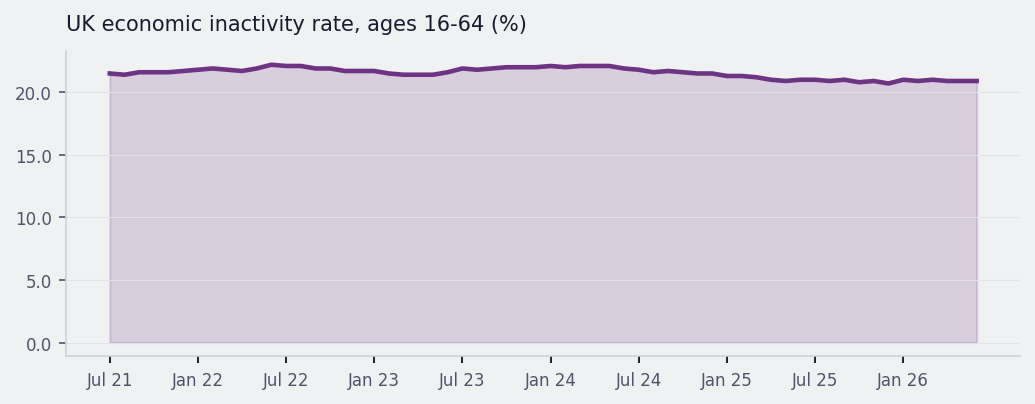
The latest statistics reveal a striking economic inactivity rate of 20.9% for those aged 16 to 64 in July 2026, a figure that raises urgent questions about access to healthcare in the UK. As the nation grapples with an ageing population and a burgeoning demand for health services, the correlation between economic inactivity and strain on general practice becomes increasingly relevant. Those outside the workforce often face a range of health challenges that further complicate their interactions with primary care, leading to a precarious situation where timely medical attention is not just a matter of convenience, but a critical necessity.
A closer examination of the data indicates that a significant portion of the economically inactive population comprises individuals with long-term health conditions and disabilities. This reality creates a dual problem: not only are these individuals less likely to seek medical help due to the barriers of transportation and time, but they may also require more frequent and specialised care. The scramble for 8am GP appointments, a routine yet increasingly competitive endeavour, becomes emblematic of a larger issue: as those who are economically inactive struggle to navigate the complexities of the healthcare system, the very structure designed to serve them appears insufficient and increasingly overwhelmed.
The implications of this statistic reach far beyond mere numbers; they touch on the fabric of society itself. With a significant proportion of the population unable to engage in the workforce, the burden on the NHS intensifies, leading to longer waiting times and diminished quality of care for all patients. As GPs contend with an influx of patients during peak hours, the system’s ability to provide equitable healthcare diminishes. This scenario not only exacerbates health inequalities but also fosters a culture of frustration and disengagement among those who feel their needs are not being adequately met.
Looking towards potential solutions, the key lies in addressing the root causes of economic inactivity while simultaneously enhancing access to primary care. Initiatives aimed at improving mental health support, vocational training, and rehabilitation could empower individuals to re-enter the workforce and seek timely healthcare. Furthermore, innovative strategies such as online consultations and flexible appointment systems could alleviate some of the pressure on GPs, ensuring that those in need can access care without the constraints of traditional scheduling. Ultimately, the challenge posed by the current economic inactivity rate serves as a clarion call for a more integrated approach to health and employment, one that recognises the intertwined nature of these critical aspects of modern UK life.