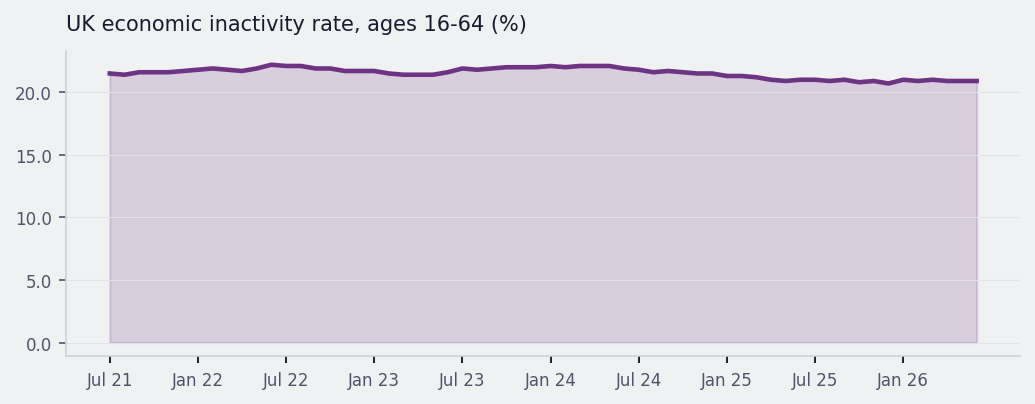
In July 2026, the UK faced a significant economic challenge as the inactivity rate among those aged 16 to 64 reached 20.9%, with long-term sickness emerging as a primary contributor. This development highlights a persistent issue within the workforce, as many individuals find themselves unable to engage in employment due to health-related concerns. The implications of this statistic are profound, not only for the economy but also for the individuals and families affected, raising questions about the broader societal impact of long-term illness in the context of a post-pandemic workforce.
A closer examination of the data reveals that long-term sickness has become an increasingly common reason for economic inactivity. The shift is stark when viewed against historical trends; prior to the pandemic, the economic inactivity rate hovered around 16%, suggesting that the landscape of employment has dramatically changed. Factors such as rising mental health issues, exacerbated by the isolation experienced during lockdowns, and chronic conditions that have persisted or worsened over the past few years, have contributed to this worrying trend. As the nation grapples with the fallout of COVID-19, the healthcare system is under pressure to address these complex health challenges that are keeping large segments of the population out of the workforce.
The implications of a workforce marked by long-term sickness extend beyond individual struggles; they reverberate throughout the economy. With 20.9% of the working-age population inactive, businesses face a shortage of available talent, which can stifle innovation and growth. Moreover, this economic inactivity places increased strain on social services and healthcare systems, as more individuals require support for their health conditions and related needs. As public spending increases to accommodate this rising demand, the potential for a vicious cycle emerges: a growing inactive population may lead to lower tax revenues, which in turn limits the resources available for health and social services.
Addressing the root causes of long-term sickness must be a priority for policymakers. Initiatives aimed at improving mental health support, enhancing workplace accommodations, and fostering a culture of well-being could play a crucial role in reversing this trend. Furthermore, as the UK navigates its post-pandemic recovery, there is an opportunity to rethink the relationship between work and health, promoting flexible working arrangements that can better accommodate those with chronic health issues. By prioritising these reforms, the government can not only aim to reduce the economic inactivity rate but also enhance the quality of life for millions of individuals, fostering a healthier, more productive society in the process.